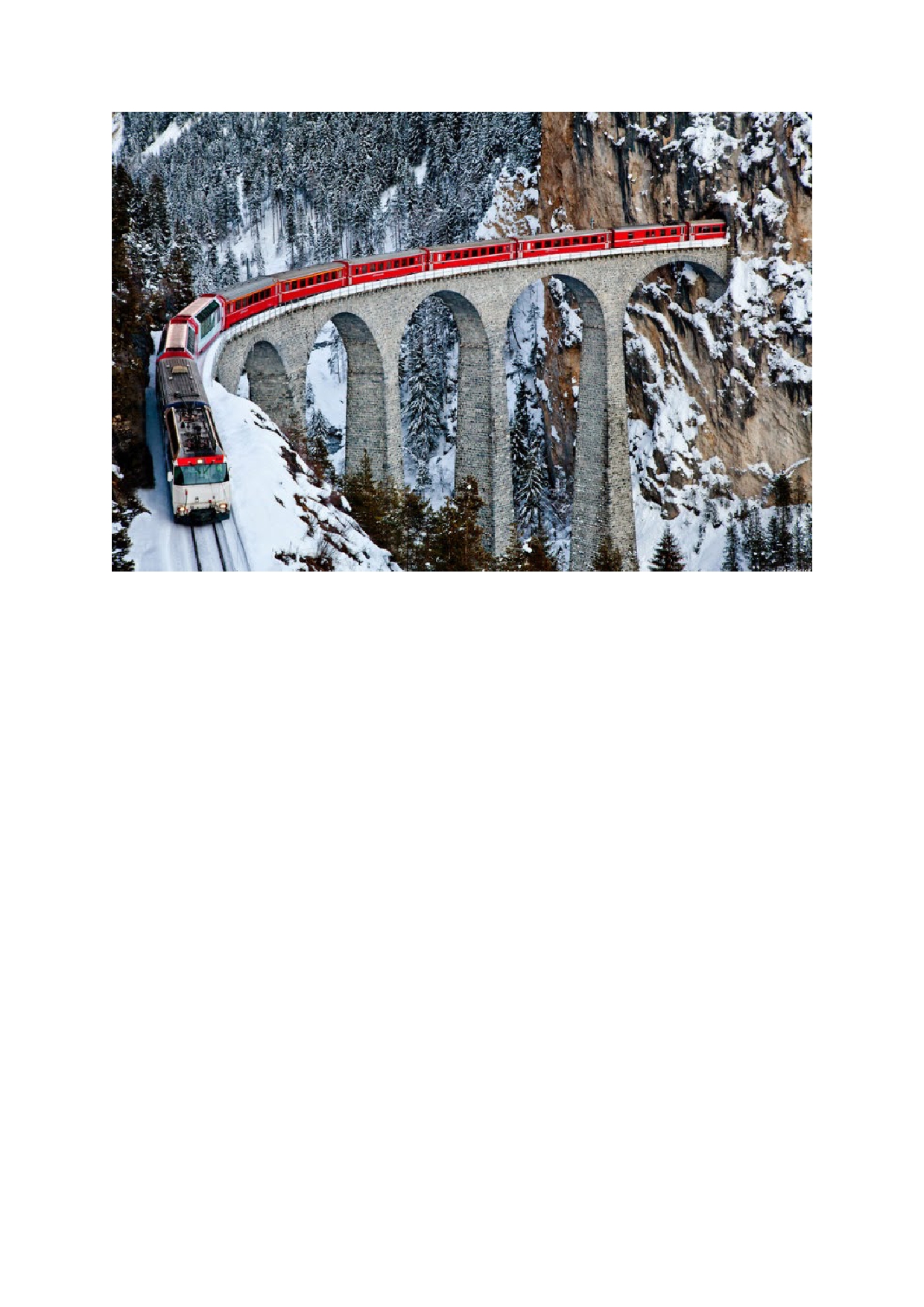
Or Bombasticity II, takes us back to the beginning of the recital. Genesis did an album in 1979 in which the opening returns at the end, and the way they did it always gripped me. This is a similar effort, to close this cyclic recital. So after drifting through the sky above the clouds, we sink right back to a…
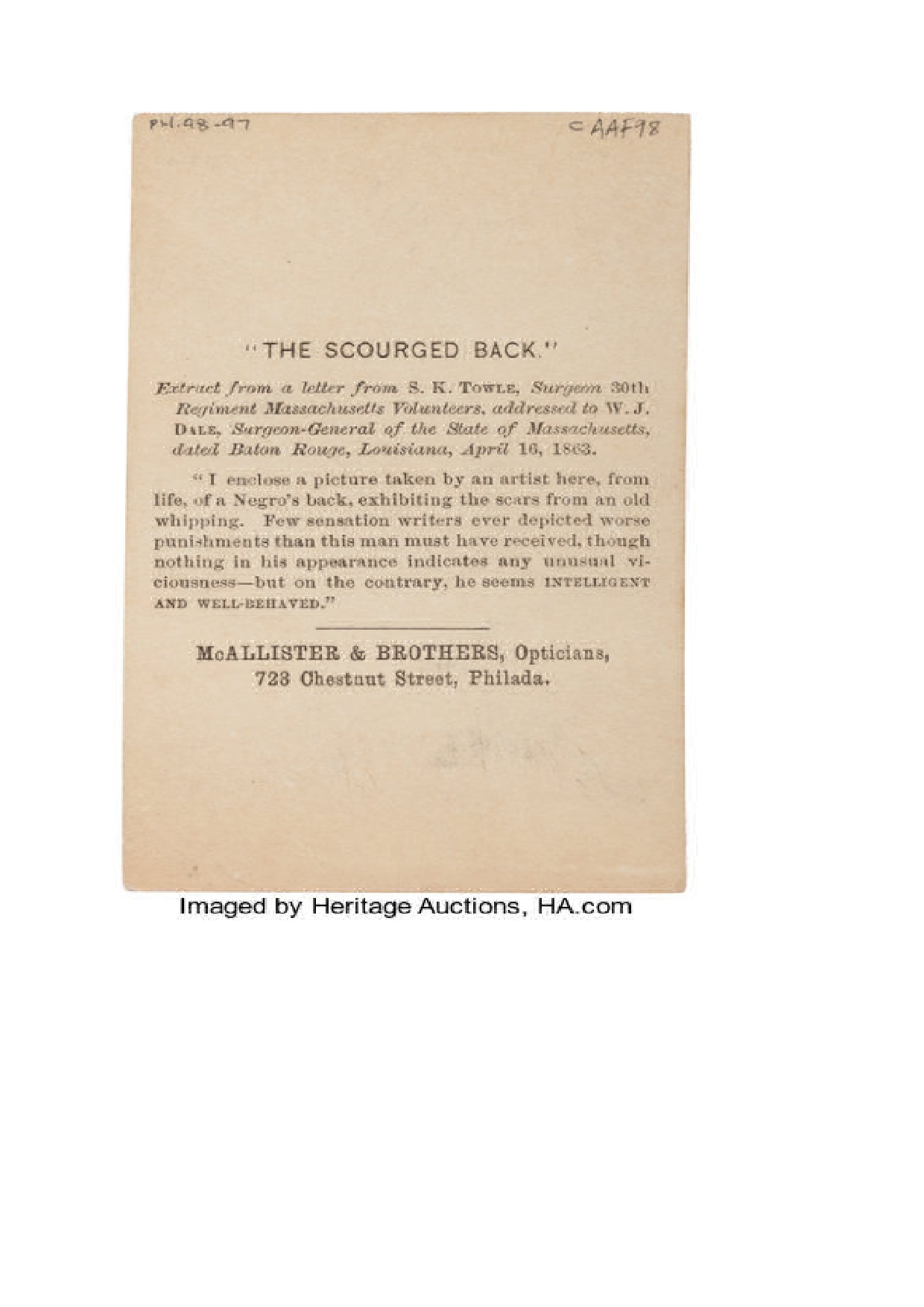
The Scourged Back is the name of a photograph, taken in 1863. It's of the lacerated back of a Louisiana slave known as Whipped Peter, you can imagine how awful this photograph is. I can't show it here. This is the story of his escape from his plantation and arrival in Baton Rouge, where he joined the Union army in…
An African legend, of a young girl, her capture and escape from an evil ogre, and the hideous death inflicted on him by the girl's father. Lots of detailed storytelling, many scenes and atmospheres, and 'curtain calls' from the main characters at the end!
1. Fury. 2. All You Need is... 3. Moods of Echoes. The three are not really a suite, but work best each on their own as solo pieces with three very different inspirations behind them. Plus postage, they're £10 each one, or £25 if you want to play all three. Bargain!
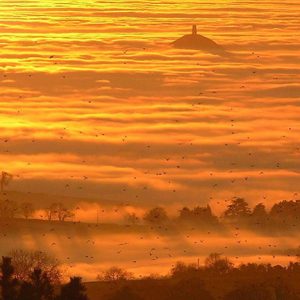
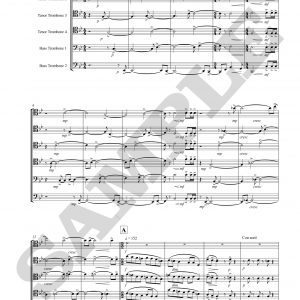
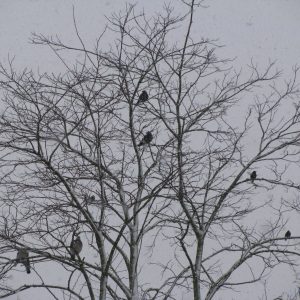
There’s a glorious picture of Glastonbury Tor, and I’ve yet to find the photographer who took it. This piece is entirely based on this one incredible image, mostly bright orange, of the sunset mists across the fields, rooks rising from foreground trees, and the magnificent monument itself, just rising on its tor above the clouds.
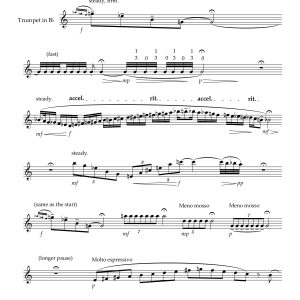
This is for chamber orchestra, and was commissioned by the City of London Sinfonia for their brilliant 1st trumpet player, Nick Betts. I’ve known Nick a long time and I know his distinctive playing very well. So that made it easier and more satisfying to write for him, as I knew pretty much exactly how he would sound. A few…
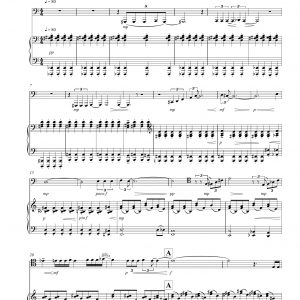
The third of my initial forays into this style and ensemble, this portrays a hot, shimmering day, probably in a desert, where you can see the heatwaves hovering over the sand. The double bass is an unlikely soloist, accompanied by tinkling, drifting piano, up to its highest note this time. The piece grasps reality for a while in the middle,…
This shouldn't mess with the marcher's feet, but it might, as the accompanying figure is often in 3/4 Waltz time. There's a slightly G&S-style middle section (I changed the traditional order round a bit in this one) and then the melodramatic bass tune, which is a version of The Blue Danube. Lots of fun.
I used to live in Walthamstow, and this is a short, light piece, the most traditionally-brass-band I’ve written, with a catchy theme and middle section. What makes it Walthamstow is the postcode bridge section, where during its brief four bars, 17 Es are heard on the flugel and xylophone.
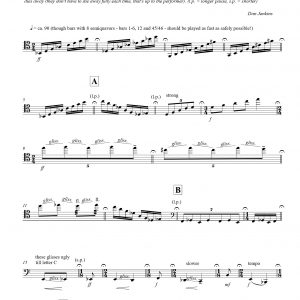
Written for a performance at an International Trombone Federation bash in 2006, for Katy Price and Christian Jones, shortly before they got married. Based on their initials, and the imminent wedding, the theme takes its cue from the song about Casey Jones, the American pioneer.
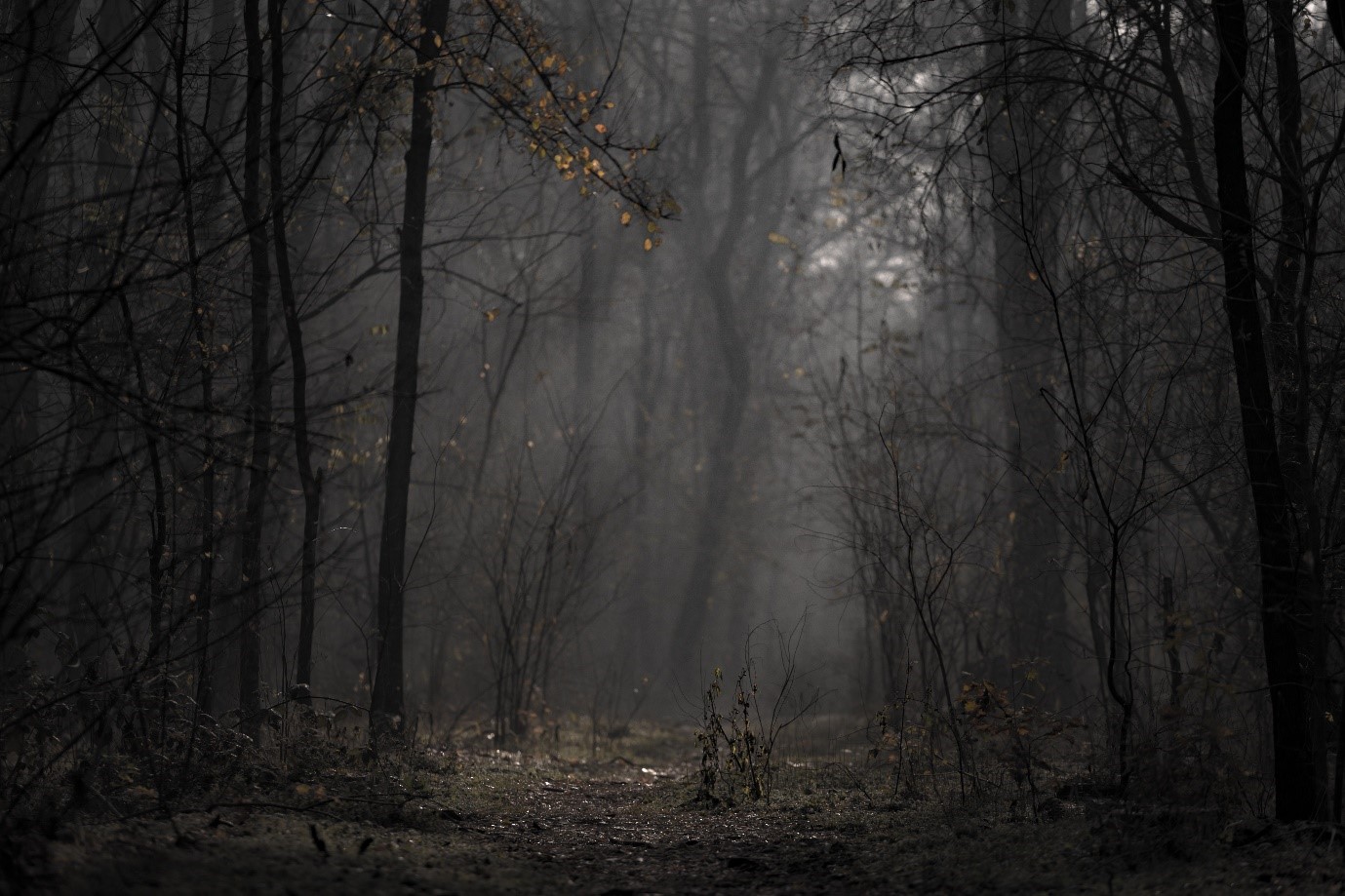
This was the second Steve Reich-inspired effort. SRI is driving, headlong music, this is more atmospheric, and tells a story. It would have been A Walk in the Woods but it’s in ¾ so the Waltz seemed appropriate. The woods were going to be tranquil English ones, but things take a decidedly spooky turn in the middle section. After a…
This is a simple piece written for the CSD Brass Band, which stands for Cambridge and Surrounding District. My old pal Chris Lawrence is the conductor, and they rehearse in a lovely old church in the town. Having been to a rehearsal (for another piece of mine) I decided to write them one of their own. The letters C, S…
Here's a bright Xmas tune, for children's choir and a few accompanying instruments (see and hear it in the Virtual Venue). Score, parts and lyrics supplied. The fading light at the end of a school day in December is a magic moment.